
Hardcastle's 19: Sampling the Trauma of the Vietnam War
N-n-n-nineteen: The Technical Glitch That Pioneered Electronic Music and Amplified a Generation's Trauma
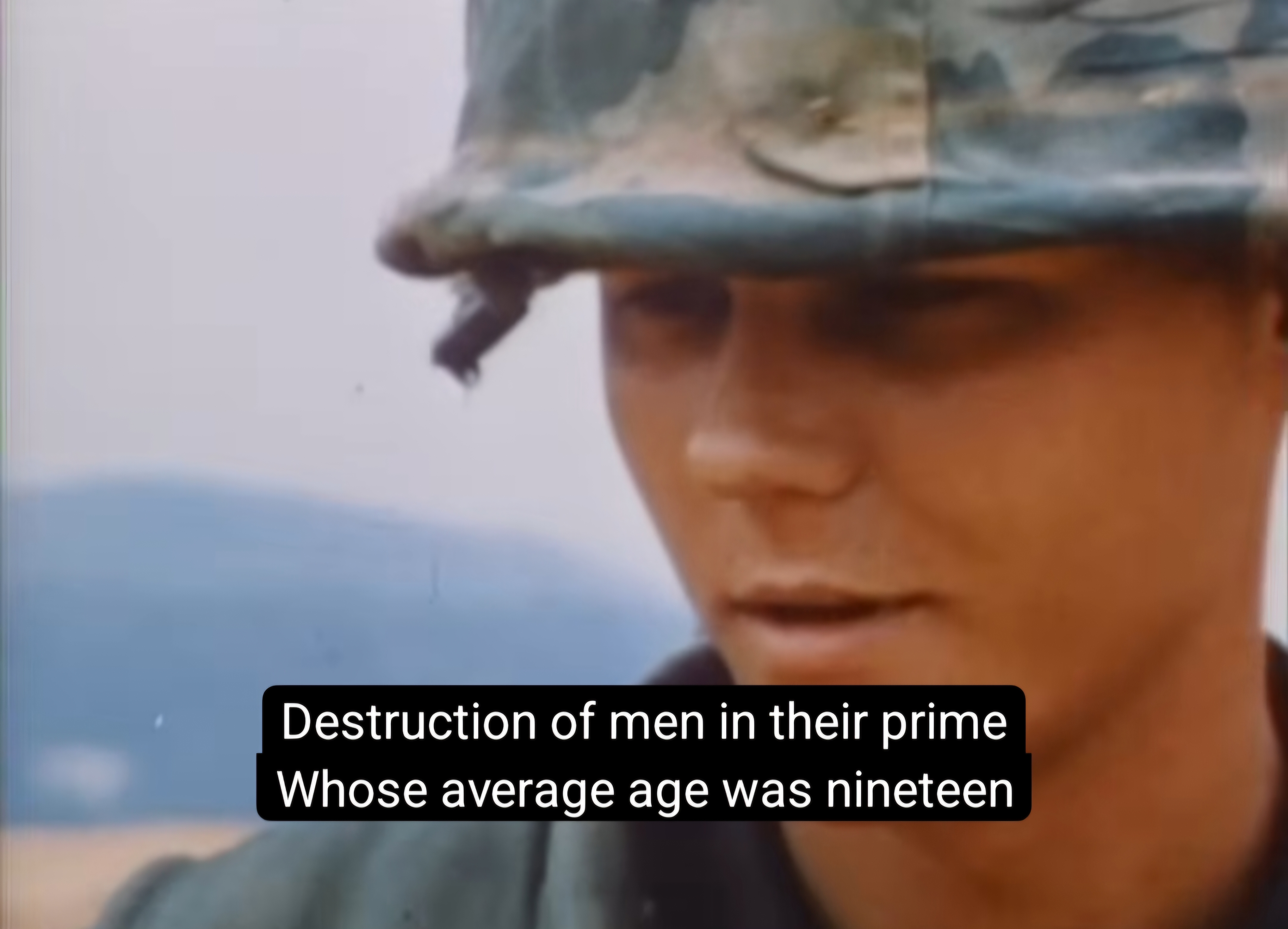
In 1985, a technical limitation on an early synthesizer birthed one of the most iconic hooks in pop music history. But beneath the heavy electro beats of Paul Hardcastle’s global hit “19” was a sobering documentary sound collage that forced the world to face the realities of war. Hardcastle was inspired to create the groundbreaking track after watching the ABC documentary "Vietnam Requiem." He was struck by a devastating statistic presented in the film: while the average age of a combat soldier in World War II was 26, in Vietnam, it was just 19.
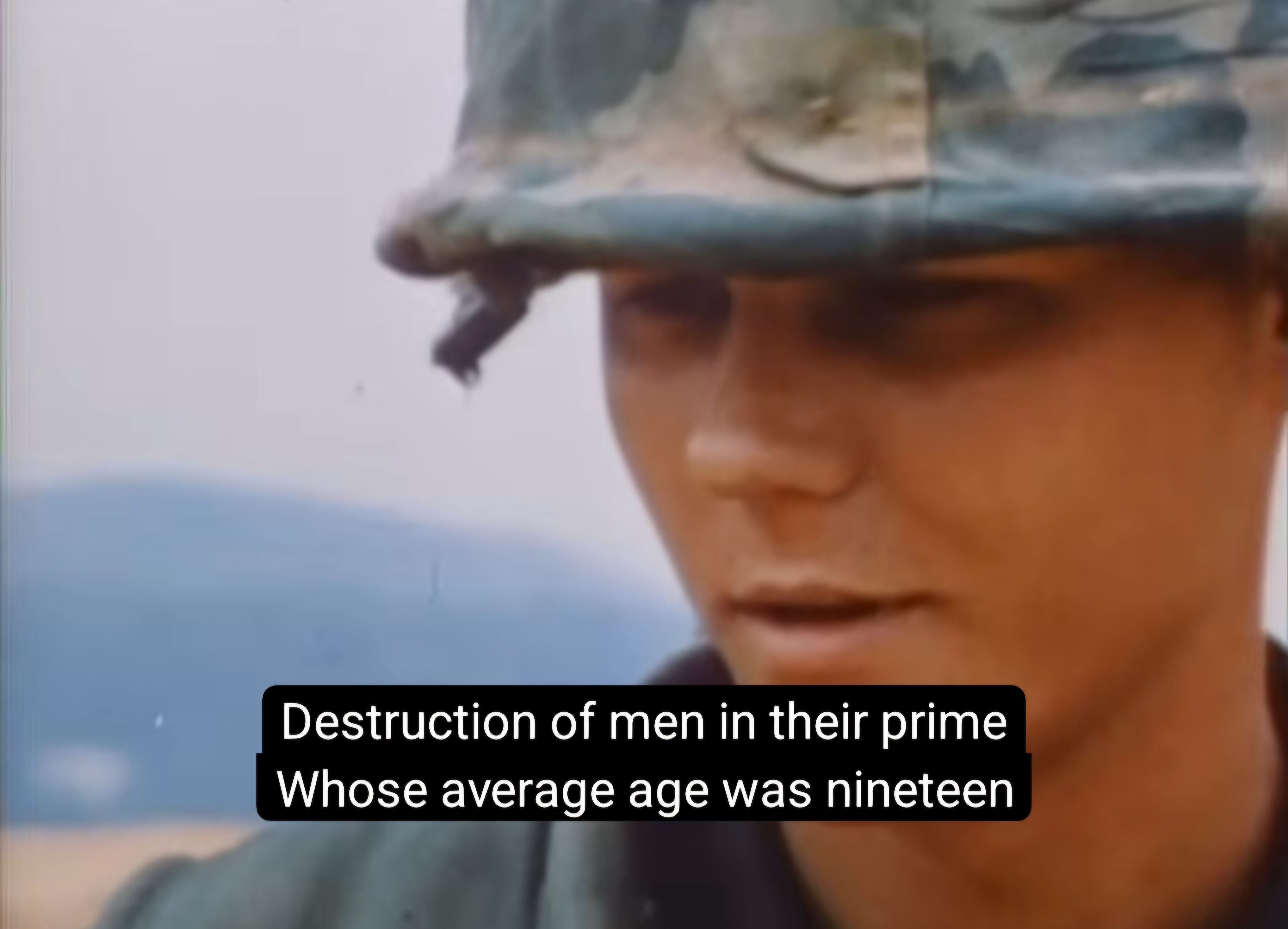 (Photo Credit: YouTube, 19, Paul Hardcastle)
Armed with the newly released E-mu Emulator II digital sampling synthesizer, Hardcastle began slicing, chopping, and sequencing spoken-word audio directly from the television broadcast. It was an unprecedented move for the era, a pop and electro dance track acting as a serious political sound collage rather than relying on standard verses.
The song's signature stuttering opening: "n-n-n-nineteen" was originally born from a technical glitch and a limitation of early samplers. Hardcastle leaned into the error, transforming it into a massive rhythmic hook.
Despite initial skepticism from record labels, music manager Simon Fuller championed the track. It became a global phenomenon, hitting number one in 13 countries. However, because pop music had never relied so heavily on unauthorized documentary clips, the massive hit forced a legal reckoning in the music industry. It set early precedents for sampling clearance, resulting in required royalty payouts to the original narrator, Peter Thomas.
(Photo Credit: YouTube, 19, Paul Hardcastle)
Armed with the newly released E-mu Emulator II digital sampling synthesizer, Hardcastle began slicing, chopping, and sequencing spoken-word audio directly from the television broadcast. It was an unprecedented move for the era, a pop and electro dance track acting as a serious political sound collage rather than relying on standard verses.
The song's signature stuttering opening: "n-n-n-nineteen" was originally born from a technical glitch and a limitation of early samplers. Hardcastle leaned into the error, transforming it into a massive rhythmic hook.
Despite initial skepticism from record labels, music manager Simon Fuller championed the track. It became a global phenomenon, hitting number one in 13 countries. However, because pop music had never relied so heavily on unauthorized documentary clips, the massive hit forced a legal reckoning in the music industry. It set early precedents for sampling clearance, resulting in required royalty payouts to the original narrator, Peter Thomas.
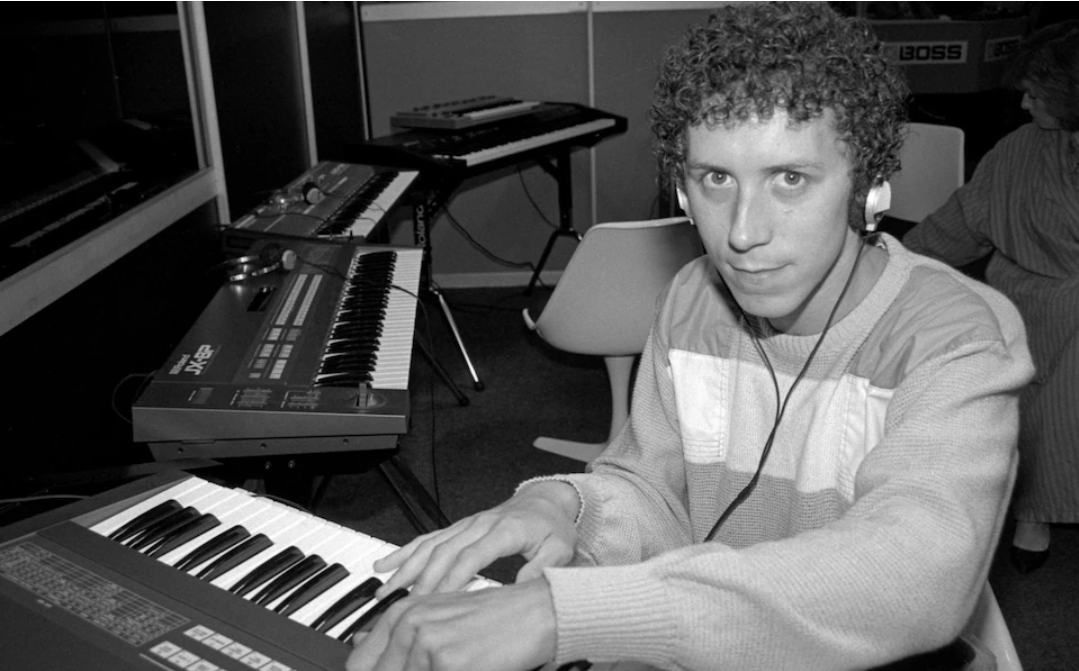 (Photo Credit: SoundPress, Paul Hardcastle)
Beyond serving as an early blueprint for electronic dance music and acid house, “19” had a profound social impact. The track resonated deeply with veterans returning home with invisible wounds. At the time, public understanding of post-traumatic stress disorder (PTSD) was incredibly limited; many people still simply called it "shellshock," a holdover term from earlier wars. Hardcastle received a flood of letters from veterans thanking him for keeping their struggles in the public consciousness and giving a voice to their trauma when few others would.
In 1985, an accidental synth stutter and a television broadcast proved that a dance track could also serve as a stark historical record.
https://youtu.be/0sajngb0W6I?is=RUJlHZr6M7DXIaox
(Photo Credit: SoundPress, Paul Hardcastle)
Beyond serving as an early blueprint for electronic dance music and acid house, “19” had a profound social impact. The track resonated deeply with veterans returning home with invisible wounds. At the time, public understanding of post-traumatic stress disorder (PTSD) was incredibly limited; many people still simply called it "shellshock," a holdover term from earlier wars. Hardcastle received a flood of letters from veterans thanking him for keeping their struggles in the public consciousness and giving a voice to their trauma when few others would.
In 1985, an accidental synth stutter and a television broadcast proved that a dance track could also serve as a stark historical record.
https://youtu.be/0sajngb0W6I?is=RUJlHZr6M7DXIaox
How impactful is this story?
Rate the real-world significance of this reporting.
Join the Conversation
Be the first to comment on this story.
Leave a Comment