
 CommunityPensacola Citizens Celebrate Data Center, Flock Suspensions
 Politics
17 Minutes, $332M and One Lone Citizen
Editor's Note: As this media outlet is named, the Pensacola Citizen's voice in this report is detrimental, so please pay attention to what Mr. Walter Wallace has to say.
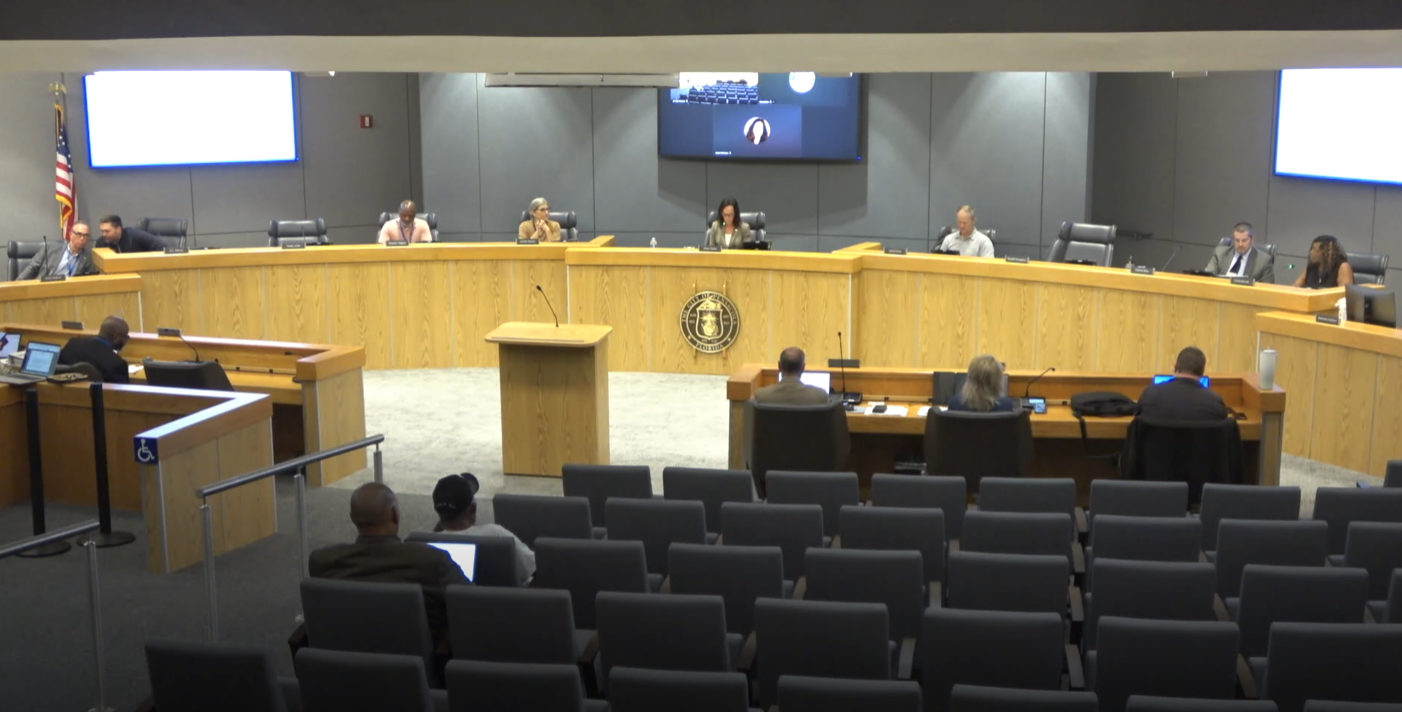
Pensacola City Council’s second Fiscal Year 2027 Public Budget Hearing lasted 17 minutes on September 16. However, while the final adoption took the average time of a 30-minute television show with commercials, it lacked an American audience, with only one “Pensacola Citizen” present to see $332 million pass without a glitch, minus the sole public comment.
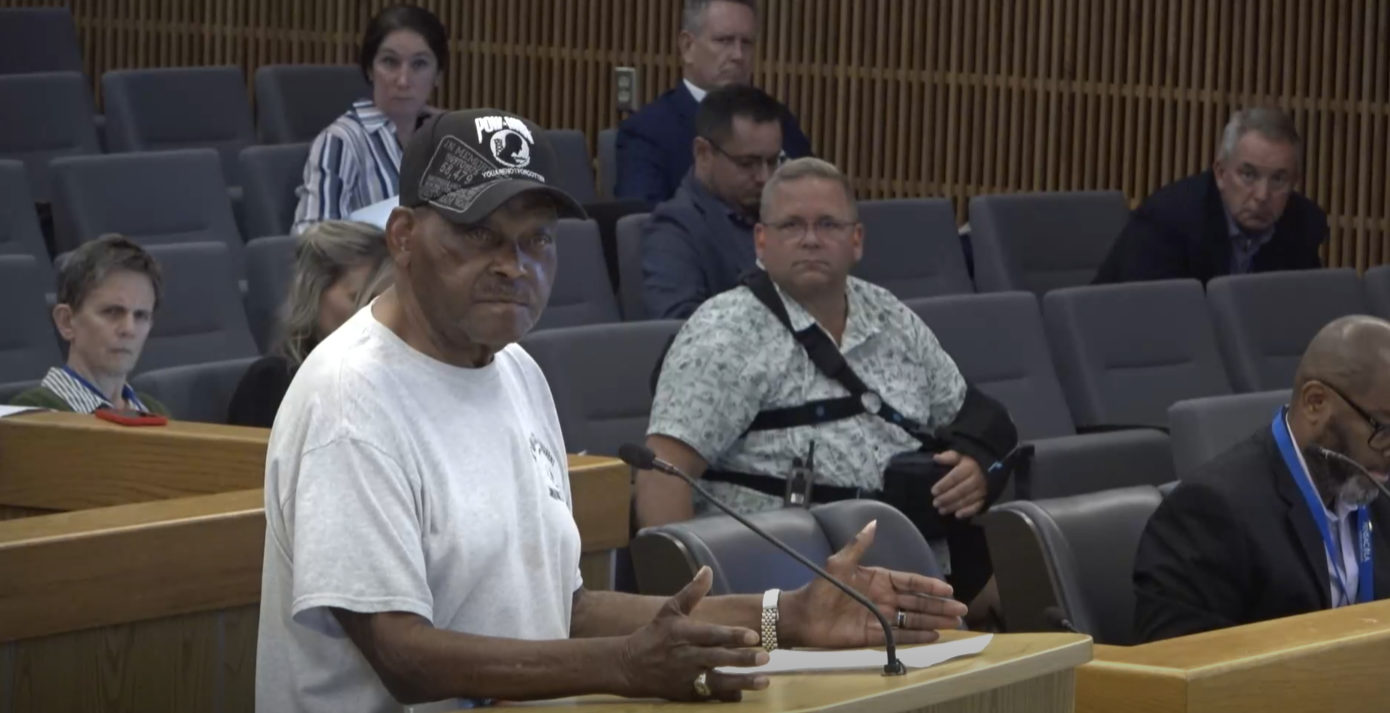 (Photo Credit, City of Pensacola: Walter Wallace)
Walter Wallace of Woodlands wants to know why, despite millions of dollars, his neighborhood's quality of life keeps declining. Wallace is not the only one concerned about the “other side of town,” with Council Vice President Jennifer Braher fighting for what is fair on the Eastside of town from Local Option Sales Tax (LOST) funds.
At the first public hearing on September 9, which also lacked a public presence, Braher told Mayor D.C. Reeves the Eastside basketball court was losing out on rightful funds in the proposed budget, a point of contention that had Mayor Reeves defending his staff.
According to Brahier, city staff ignored her repeated attempts to learn about funding for the courts, prompting Finance Director Amy Lavoy to the podium on September 9, where she promised to do better.
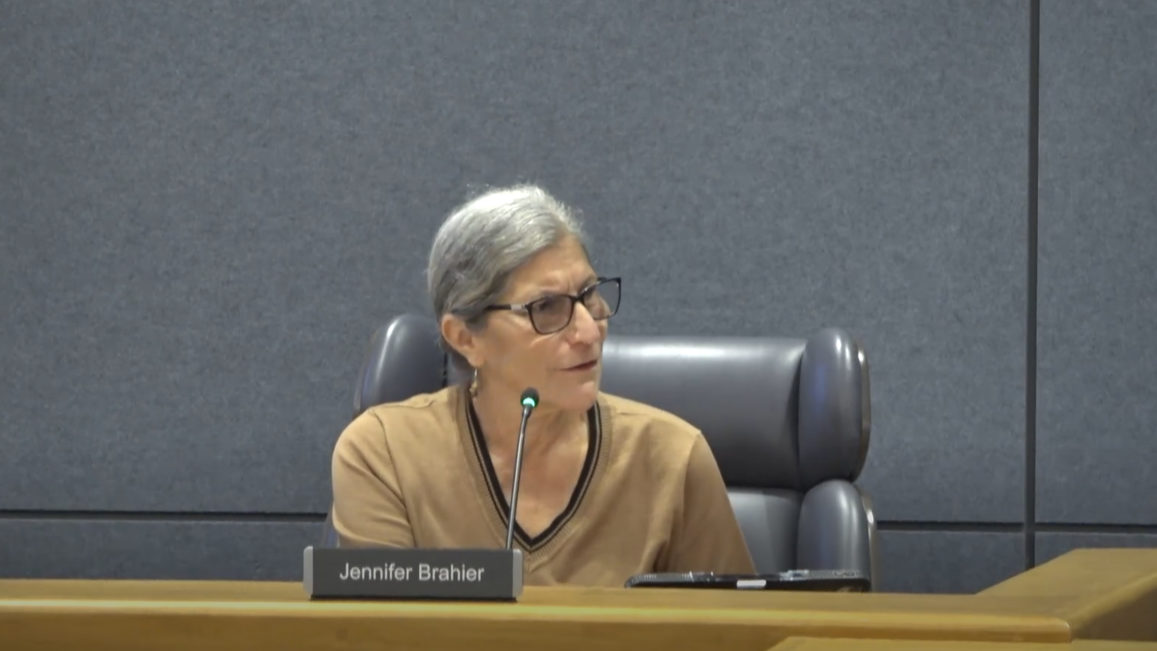 (Photo Credit, City of Pensacola: Council Vice President Brahier)
Lavoy kept that promise; after assessing the East Gate basketball court's condition and researching appropriate funding, Lavoy added a new line item on the LOST section of the agenda that now reads “a $50,000 allocation for Eastgate Basketball courts."
Brahier also raised an issue at the September 9 meeting regarding the November General Election's effect on property taxes and LOST. Mayor D.C. Reeves and the city council also reconsidered the millage rate with no public present.
Other than the $50K allocation, the budget was adopted as read by Council President Allison Patton.
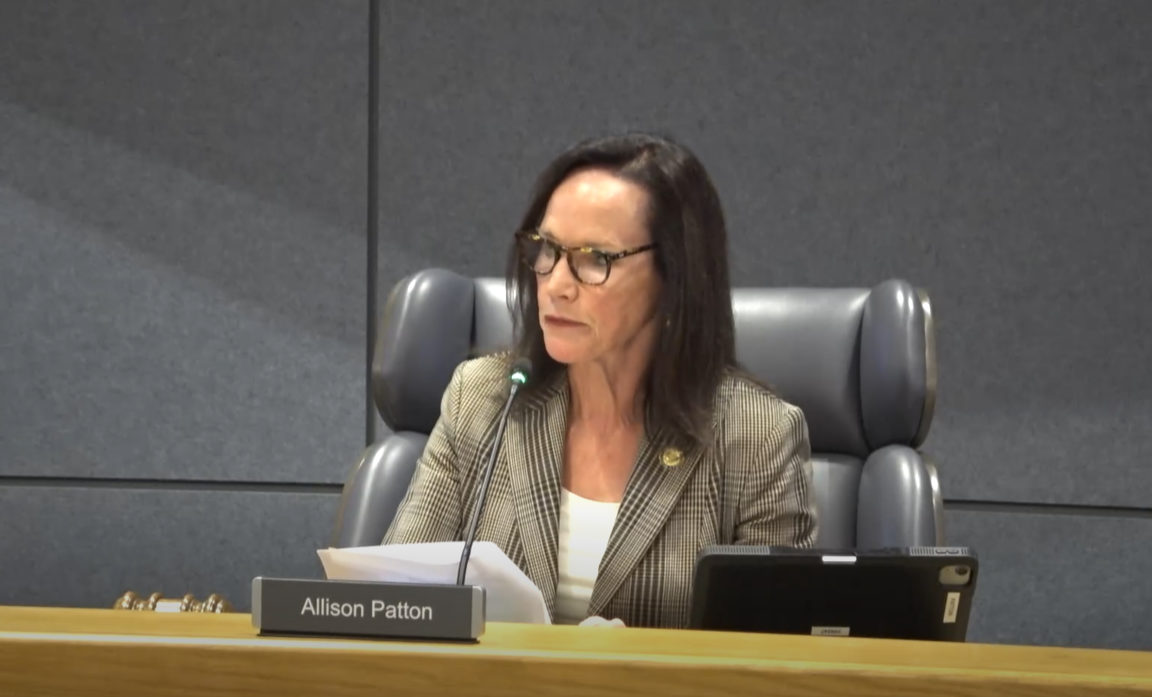 (Photo Credit, City of Pensacola: Council President Alison Patton)
“The first substantive issue discussed must be the percentage increase over the rollback rate necessary to fund the budget, if any, and the specific purposes for which ad valorem revenues are being increased,” Patton said.
“The proposed final millage rate of 4.2895 mills for the city and 2 mills for the Downtown Improvement District constitutes a 5.32% increase in property taxes over the aggravated rollback rate, which was 4.1260 mills, according to the council president.
“The rollback rate is the millage rate that excludes new construction, additions to structures, deletions, increases, and the value of improvements that have undergone a substantial rehabilitation that increases the assessed value of such improvements by 100%,” Patton said.
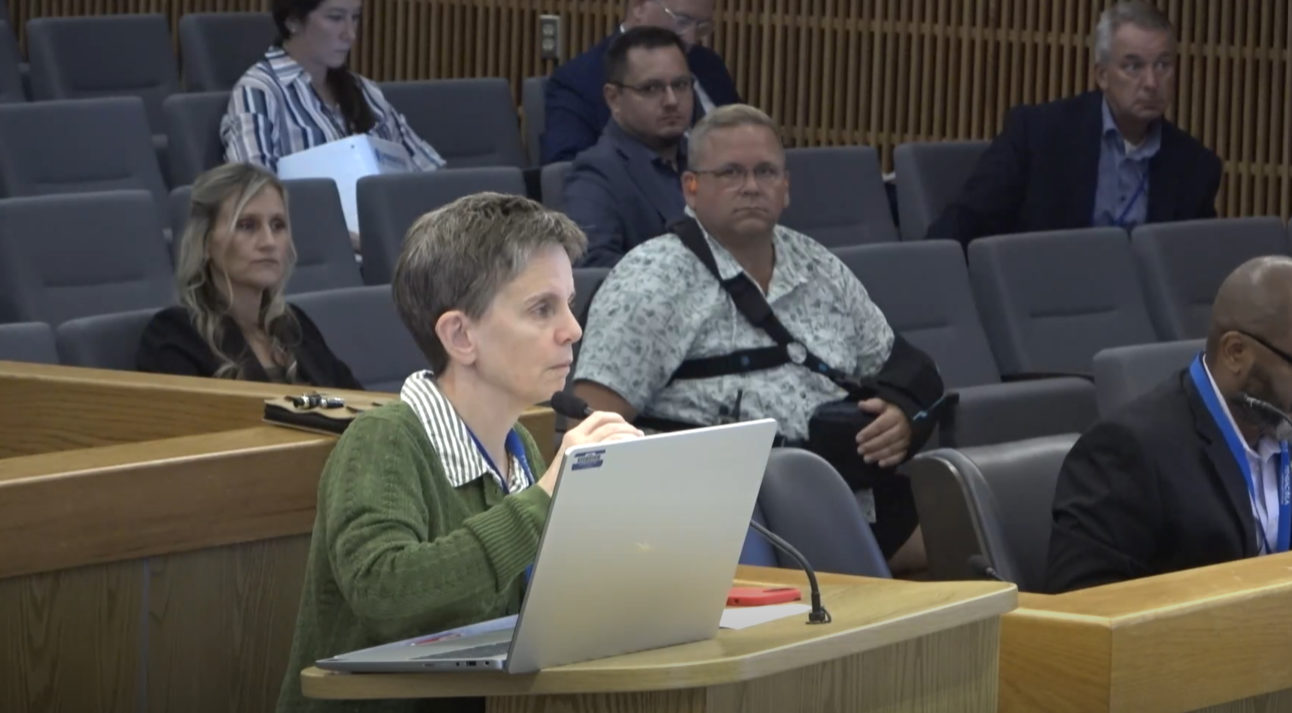 (Photo Credit, City of Pensacola: Finance Director Amy Lavoy)
In Layman’s terms, Lavoy said maintaining the city’s current millage is necessary to preserve the essential services citizens rely on every day while continuing to manage the city’s finances responsibly.”
Brahier had a lot to say at the first public hearing on September 9, noting then her reservations “on maintaining this millage rate.”
“I just want to say my comments from last week stand for both this and the millage rate,” Brahier said, adding, “Just in case the public was wondering, we had a robust Community Redevelopment Agency Workshop; this is now our final public hearing."
However, Brahier’s words were met with only a handful of people in the audience, most of whom were officials, except for Wallace, a District 5 resident.
Wallace pleaded for officials to allocate funds throughout the city fairly, and not just in certain areas, specifically downtown, where Mayor D.C. Reeves is often accused of spending too much to improve.
“I seen nothing in the budget for neighborhoods,” Wallace said. “I don’t know why this council cannot develop plans for our neighborhoods."
Wallace pointed to the other side of the railroad tracks, noting less fortunate areas like his own. If officials wait another ten years to fix his neighborhood, it will be “rotten."
"You as a council and the mayor start putting things in the budget for neighborhoods," Wallace said.
When it comes down to it, Wallace was simply pointing out a Biblical truth, asking officials to love their neighbors as themselves.
“I encourage each council member to go to your neighborhood association,” Wallace said. “See what they want.”
It's worked before and can again, Wallace said, citing how the Woodland Heights Neighborhood Association community center came to fruition after a $50K study. “Unless you invest money, the town will die,” Wallace said.
The new budget takes effect in October.
How impactful is this story?
Rate the real-world significance of this reporting.
Loading…
Related stories
CommunityPensacola Citizens Celebrate Data Center, Flock Suspensions
Join the Conversation
Be the first to comment on this story.
Leave a Comment